Can You Get Canadian Citizenship Through a Canadian Grandparent?
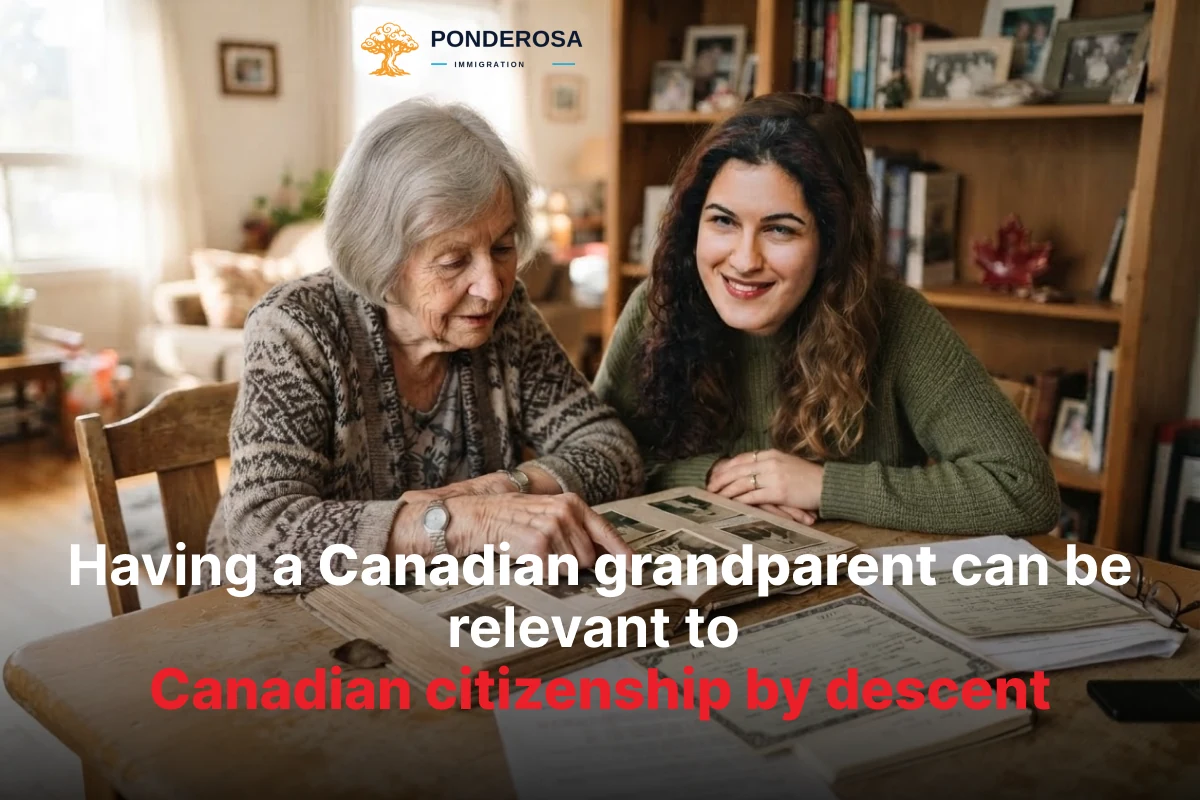

Having a Canadian grandparent or even an earlier Canadian ancestor can be relevant to Canadian citizenship by descent, but ancestry alone does not establish that you are a Canadian citizen. The citizenship line must be traced through each generation using the law and facts that apply to that family history.
Knowing that you have a Canadian grandparent or an earlier ancestor is therefore an important starting point, but it does not, on its own, mean that you are a Canadian citizen.
Can Citizenship Also Come Through a Great-Grandparent or Earlier Ancestor?
Yes, an earlier Canadian ancestor can also be relevant.
The important question is not simply whether someone in your family was Canadian. You have to trace the family line through each generation and determine whether citizenship passed from one generation to the next.
This means looking at your parent, grandparent, and, where necessary, earlier generations to determine which citizenship rules applied at the relevant time.
What Changed Under the 2025 Citizenship Amendments?
Under the new amendments in 2025, Canada removed the first-generation limit on citizenship, which means that Canadian children born abroad can pass citizenship to their children. This was not previously possible.
These amendments are particularly important for families where more than one generation was born outside Canada.
However, the family line still has to be reviewed. A Canadian grandparent or earlier Canadian ancestor does not automatically answer whether citizenship reached you.
How Do You Trace Canadian Citizenship Through the Family Line?
To determine whether you qualify, you have to trace your family line back through your parents.
You must ensure that the citizenship chain has not been broken due to events such as adoption or renunciation of citizenship.
The analysis is therefore not simply:
“Was my grandparent Canadian?”
It is also:
- Was your parent Canadian?
- When did your parent become Canadian?
- Which citizenship law applied at that time?
- Was there any event that affected the citizenship chain?
- Can the connection between each generation be documented?
The answer can depend on facts that happened many years before you were born.
Free 15-Minute Discovery Call
Unsure Whether Citizenship Passed Through Your Family?
If you have a Canadian parent, grandparent or earlier ancestor, we can review the family line, key dates and available records to identify which Canadian citizenship process may apply.
Why Do Birth and Death Dates Matter?
Identifying which provision of the Citizenship Act applies when applying for a proof of citizenship certificate depends on the date of birth and date of death of each generation.
There are three important legislative periods to consider:
- Pre-1947, or pre-1949 for people born in Newfoundland and Labrador;
- 1947 to 1977; and
- Post-1977.
Later amendments in 2009, 2015 and 2025 may also affect how an earlier family history is assessed.
This is why the same family relationship can lead to a different citizenship analysis depending on when the relevant people were born and when important events occurred.
What If an Ancestor Died Before a Later Citizenship Amendment?
If your ancestor died before the 2009 or 2015 amendments took effect, death bridge provisions need to be considered.
For this reason, the date of death of a parent, grandparent or earlier ancestor may sometimes be as important as the date of birth when reviewing an older citizenship chain.
What Documents Can Prove the Citizenship Connection?
Documents that can prove this connection include long-form birth certificates, citizenship or naturalization certificates, or evidence that your ancestor was a British subject and had a substantial connection to Canada.
The documents must also connect one generation to the next.
For example, it may not be enough to prove that your grandparent was Canadian. You also need records that establish the relationship between:
the Canadian grandparent -> your parent -> you.
Names, dates of birth, places of birth and other information should also be reviewed for consistency across the records.
What If a Birth Certificate Is Not Available?
When a birth certificate is not available, it may be possible to use alternative documents, but they should be issued by the original authority rather than being copies obtained from genealogical websites.
Genealogical websites can still be useful when researching family history and locating records. However, the source of the document matters when the record is being used to establish a citizenship connection.
Where a standard record cannot be obtained, the alternative documents and the reason the original document is unavailable should be reviewed carefully.
What Should Be Assessed in a Grandparent or Earlier-Ancestor Case?
The assessment should look at the birth and death dates of each generation, whether any event affected the citizenship chain, and whether the documents supporting each connection are valid and issued by the appropriate authority.
In particular, the review should consider:
- which direct ancestor was Canadian;
- how that ancestor obtained or held Canadian citizenship or status;
- the birth and death dates of the relevant generations;
- which citizenship legislation applied at each stage;
- whether adoption, renunciation or another event affected the citizenship chain;
- whether the records establish the parent-child relationship between each generation;
- whether those documents were issued by the appropriate authority; and
- whether there are any missing records or evidentiary gaps that need to be addressed.
A Canadian grandparent or earlier ancestor can therefore be an important part of the citizenship analysis, but the answer comes from the complete family citizenship chain, not from one ancestor alone.
If you have Canadian ancestry and are unsure whether citizenship may have passed through your family, the next step is to identify the relevant generations, dates and records and determine which citizenship rules apply to your particular family history.
Free 15-Minute Discovery Call
Ready to Have Your Family Citizenship History Reviewed?
We can review your family history, relevant dates and available records to identify which Canadian citizenship process may apply.
Reviewed by: Pooneh Ghasvareh, RCIC (R1040420)
Last reviewed: October 5, 2026